

 June 7, 2022
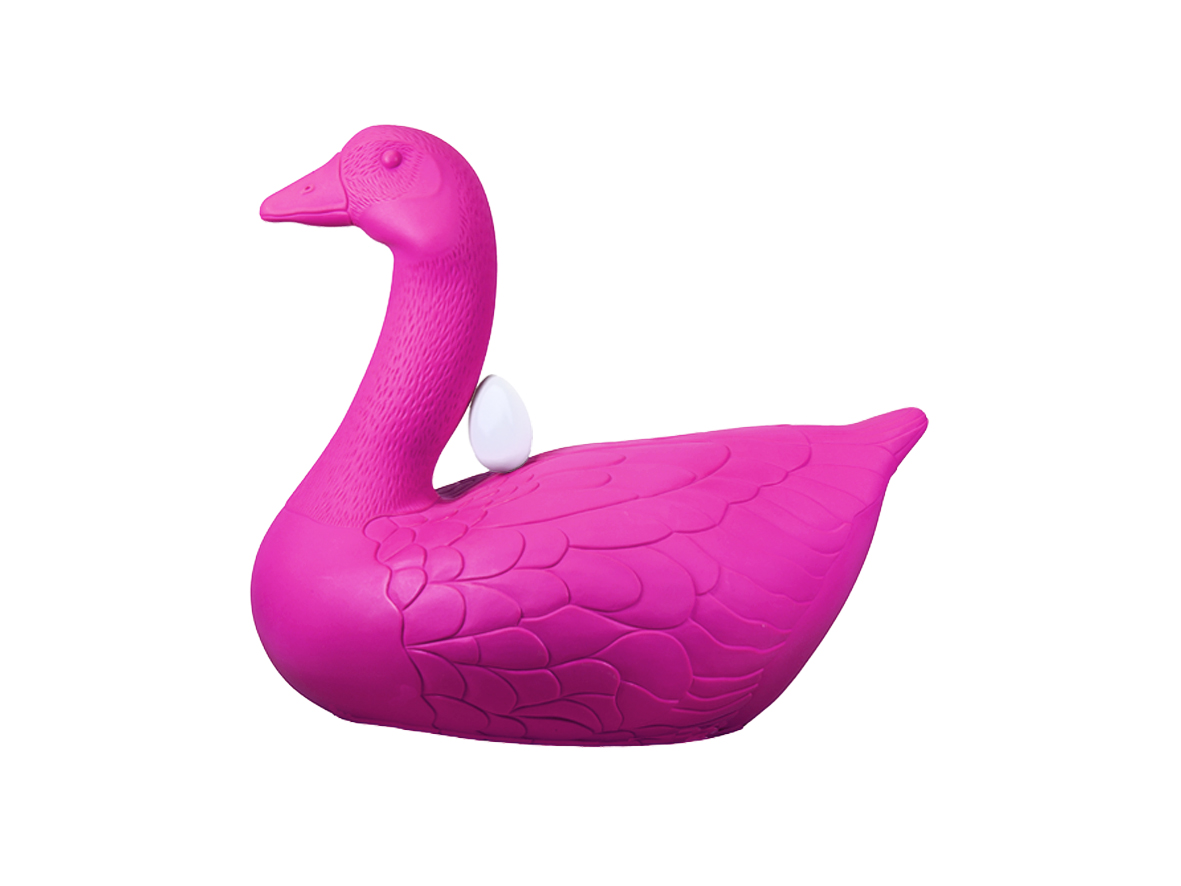
Cracking Art Wild Goose: between the playful character and the sacred aspiration.
Nowadays, the goose is regarded as one of the most beloved domestic animals due to its endearing appearance and ge
For centuries the goose has been worshipped as a symbol of life, rebirth and fertility – a guardian of humankind and a messenger of the Gods.
According to the Ancient Egypt
Even the Greeks held it in high regard, and through mythological tales, we learn that the God of Love – Eros -rode a flying goose as transportatio
These animals were sacred to t
For the Celtic populations, the palmiped played the role of afterlife messenger. In many folk tales, it is often associated with the fairies, magical and ancestral being representative of the feminine archetype. As such, the goose watched over the travellers and escorted them on their journey.
This almost cathartic pilgrimage is also exemplified in the “Game of the Goose” (Snakes and Ladders), which in its earliest editions designated the “Goose’s Garden” as the ultimate destination for the pawns, a symbolic place of beatitude.
Konrad Lorenz demonstrated that thanks to a phenomenon called “imprinting”, goslings instinctively follow
Melissa Camilli
